

Geisberger Group
Oncogenomics and tumor-immune interactions

Research overview
The DNA of our cells is constantly damaged, e.g. by radiation, reactive metabolic products or errors during DNA duplication. Inaccurate repair of this DNA damage can lead to mutations, chromosomal changes and loss of genetic information, which can result in diseases, including cancer. In addition, defective DNA repair promotes the genetic heterogeneity of cancer cells, which can lead to the growth of therapy-resistant cancer cells, which represents a major clinical problem.
In our research group, we investigate how DNA repair pathways are altered in cancer cells and we are looking for ways to harness these changes for better treatment approaches, especially with regard to efficient cancer defense by the body’s own immune system. Our aim is to understand all molecular, cellular and immunological aspects of our research topic in as broad a context as possible. We use a wide variety of molecular and biochemical methods and model systems, including cell lines, mouse models and primary human cancer samples with a particular focus on chronic lymphocytic leukemia.
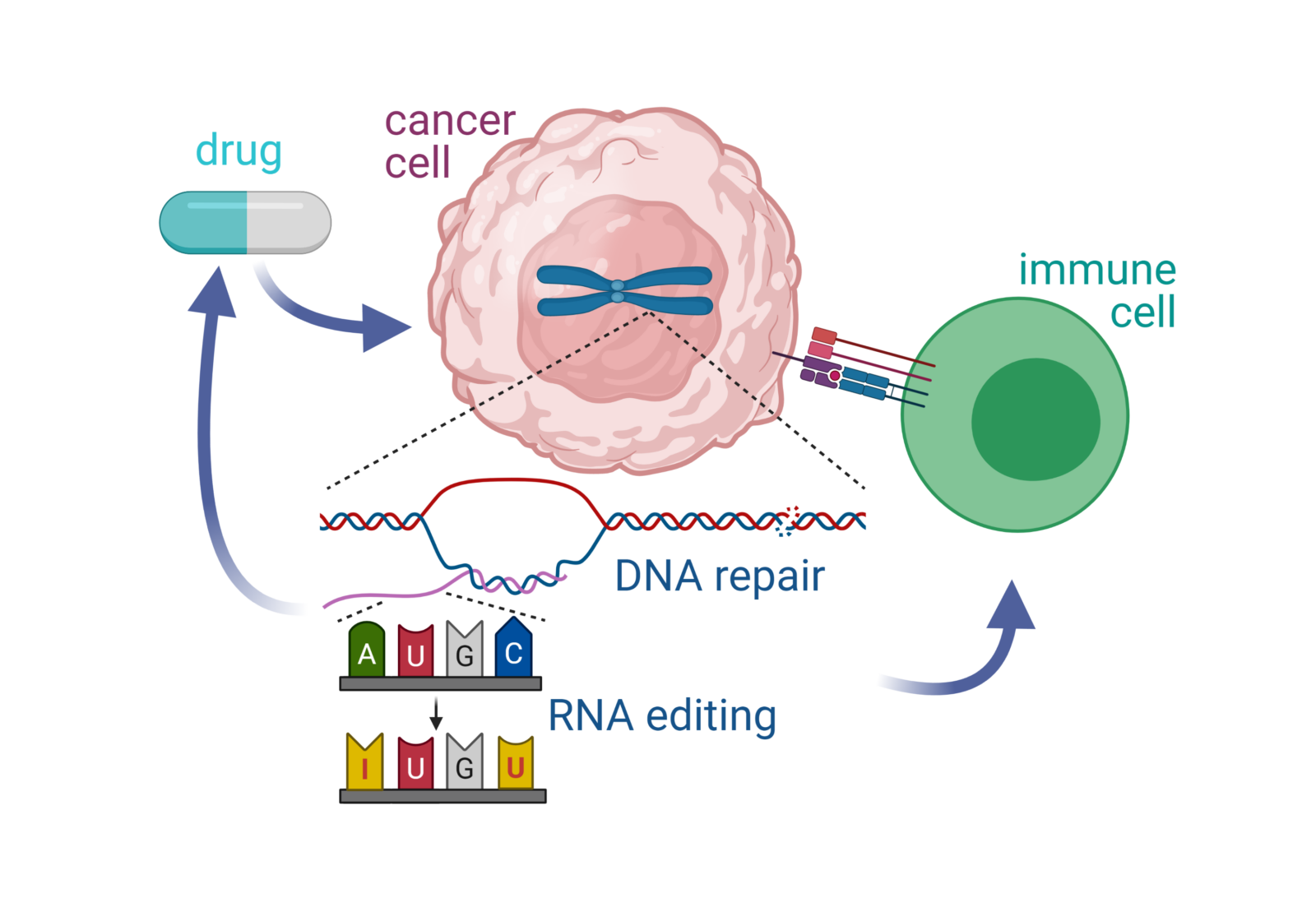
Repair of DNA damage in cancer cells
Any change in the genetic information of a cell can lead to abnormal gene expression or gene activity and thus to diseases, including cancer. Almost every cancer cell exhibits genetic changes acquired through imprecise DNA repair. Cancer cells often use inaccurate or misdirected repair pathways to promote genetic variability from which “fitter” or (immune)therapy-resistant cancer cells can prevail, a process known as clonal evolution. In this research focus, we want to investigate mechanisms that are responsible for the diversification of genetic information during clonal cancer evolution. The aim is to find ways of preventing cancer cells from adapting to drugs and how cancer-specific repair pathways can be used as a starting point for targeted cancer therapies.
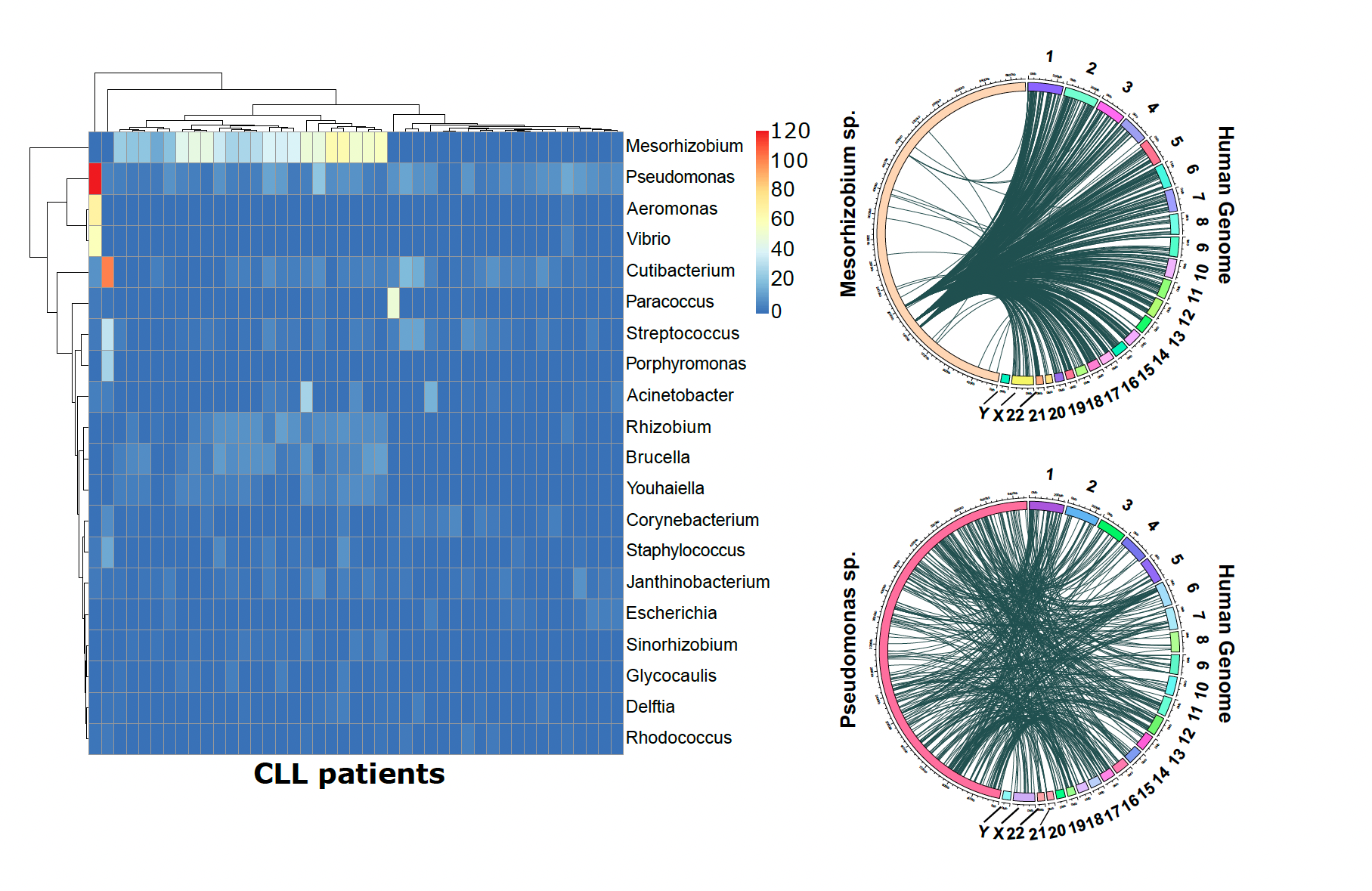
Tumor-immune interactions
During cancer growth, the cancer cells must constantly withstand an attack by the immune system. This constant interaction between cancer and the immune system alters both the cancer cells and the immune cells in a way that leads to immune system dysfunction and immunologically “invisible” tumor cells. In our research, we want to investigate tumor-immune interactions and the associated changes on the part of the immune system and the tumor from early to late stages of cancer in order to understand how the immune system is shut down by the cancer cells. In particular, we want to understand how attacks by the immune system affect genetic changes in cancer cells and how these in turn affect immune cells. The ultimate aim of these studies is to find ways of activating the body’s own immune cells, especially T lymphocytes, to enable a lasting and efficient fight against cancer cells.
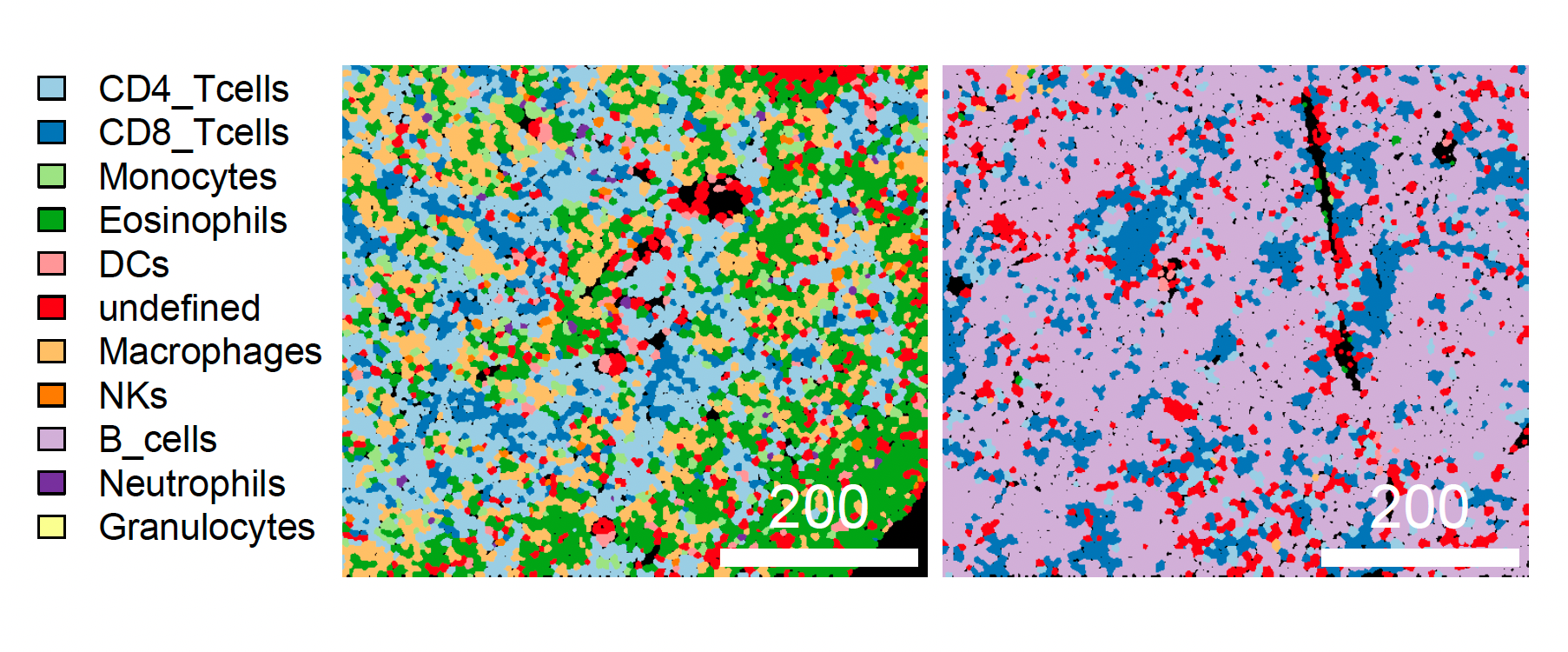
Team
Roland Geisberger
Group leader
orcid ID: 0000-0002-0131-2191
Ekaterina Akimova
PostDoc
Philine Hoven
PhD student
Dominik Baumgartner
PhD student
Julia Moser
Master Student
Fiona Liebig
Master Student
Publications
Akimova E, Gassner FJ, Schubert M, Rebhandl S, Arzt C, Rauscher S, Tober V, Zaborsky N, Greil R, Geisberger R. SAMHD1 restrains aberrant nucleotide insertions at repair junctions generated by DNA end joining. Nucleic Acids Res. 2021 Mar 18;49(5):2598-2608. doi: 10.1093/nar/gkab051.
Gassner FJ, Zaborsky N, Buchumenski I, Levanon EY, Gatterbauer M, Schubert M, Rauscher S, Hebenstreit D, Nadeu F, Campo E, Egle A, Greil R, Geisberger R. RNA editing contributes to epitranscriptome diversity in chronic lymphocytic leukemia. Leukemia. 2021 Apr;35(4):1053-1063. doi: 10.1038/s41375-020-0995-6. Epub 2020 Jul 30.
Catakovic K, Gassner FJ, Ratswohl C, Zaborsky N, Rebhandl S, Schubert M, Steiner M, Gutjahr JC, Pleyer L, Egle A, Hartmann TN, Greil R, Geisberger R. TIGIT expressing CD4+T cells represent a tumor-supportive T cell subset in chronic lymphocytic leukemia. Oncoimmunology. 2017 Sep 21;7(1):e1371399. doi: 10.1080/2162402X.2017.1371399.
Gassner FJ, Schubert M, Rebhandl S, Spandl K, Zaborsky N, Catakovic K, Blaimer S, Hebenstreit D, Greil R, Geisberger R. Imprecision and DNA Break Repair Biased towards Incompatible End Joining in Leukemia. Mol Cancer Res. 2018 Mar;16(3):428-438. doi: 10.1158/1541-7786.MCR-17-0373. Epub 2017 Dec 8.
Do you have a request or questions?
Get in touch with us – we will get back to you as soon as possible.

